
Sleep like a pro: the athlete’s complete guide to better sleep
For an athlete, sleep is the highest return recovery tool there is: most adults need at least seven hours and those training hard do better around eight to ten, because deep sleep drives physical repair and REM locks in skills, so protecting your hours pays off more reliably than any supplement or gadget.
You track your HRV, log every session and dial in your nutrition, then sleep six hours and wonder why you feel flat. Sleep is not the absence of training; it is when your body actually rebuilds. No supplement stack or recovery boot comes close to the return that consistent, sufficient sleep delivers night after night. Here is what the science actually shows, how much you need, and the handful of habits that protect every hour in bed.
Why sleep is your best recovery tool
Every session creates small amounts of damage, and sleep is when the repair happens. Much of your physical recovery, tissue repair and the body’s main growth hormone release happen during deep (slow wave) sleep, mostly in the first half of the night[5]. REM sleep, weighted to the later hours, is when skills practised in training get consolidated into motor memory, so a short night can cost you some of that session’s learning[5]. Cut sleep short consistently and you also tend to sit in a less helpful hormonal state, with higher stress hormones and a harder, heavier feel to training.
What the research actually shows
The headline result is real and worth getting right. In a Stanford study, college basketball players who extended their sleep for several weeks (aiming for ten hours in bed, about 111 extra minutes a night) ran about 4 percent faster over a sprint and lifted free throw and three point accuracy by about 9 percent, with quicker reactions and better mood[1].
Two more findings matter. Van Dongen and colleagues restricted adults to six hours a night for two weeks and found a cumulative deficit in alertness and working memory comparable to a night or two of no sleep at all, while the subjects reported only mild sleepiness, you adapt to feeling fine while your performance quietly drops[2]. And in teenage athletes, those averaging under eight hours were about 1.7 times more likely to be injured than those who slept more[3].
How much do you need? The American Academy of Sleep Medicine and Sleep Research Society consensus is at least seven hours a night for adults, with six or fewer too little for health[4]. Under a real training load, eight to ten hours is the better target, and deliberately spending more time in bed is a legitimate performance strategy, not a rest day luxury.
How short sleep quietly wrecks performance
Chronic mild sleep loss, six hours instead of eight across a training block, is hard to notice because you adjust to it, but underneath: your reaction and decision speed slow, the same session feels harder so you either back off or push on with poor form, your emotional control frays, your immune resilience drops at the worst time, and your blood sugar handling suffers. None of these is dramatic alone; stacked night after night they erode the work you are putting in.
Six habits that protect your sleep
- Mind your caffeine cutoff. Caffeine has a half life of about five hours in healthy adults, so a strong coffee at 3pm still has roughly half its hit working at 8pm; finish caffeine at least six hours before bed[6].
- Cool, dark and quiet. Your core temperature needs to drop to fall and stay deeply asleep, so a room around 18 degrees and blackout curtains genuinely help (our NZ winter guide goes deeper)[5].
- Wind down on purpose. Screens off, lights low, and a repeatable evening routine, a few minutes of slow breathing or low stimulation reading, tells your nervous system the day is done.
- Time your last meal and drink. Finish dinner a few hours before bed, ease off alcohol (it helps you fall asleep but fragments the second half of the night), and put screens away in the last hour.
- Nap with discipline. A 20 to 30 minute nap in the early afternoon lifts alertness without the grogginess a long nap brings.
- Get morning light. Daylight in your eyes within an hour of waking anchors your body clock and makes it easier to fall asleep that night. Ten minutes outside, no sunglasses needed.
Travel and jet lag
Crossing time zones desyncs your body clock and hits sleep, reaction time and motivation. The most powerful tool is light: after flying east seek morning light and avoid late evening light; after flying west do the reverse, and shift your schedule a little before you go. Melatonin can help some travellers, but it is a medicine, so ask your pharmacist or GP rather than dosing yourself. Our full jet lag guide covers the strategy.
Reading your wearable without obsessing
Wearables give you useful sleep data, but more numbers do not mean better decisions. Watch the things that matter against your own baseline, total sleep (not just time in bed), consistent bed and wake times, resting heart rate, and your seven day HRV trend rather than any single morning. Treat a readiness score as context, not a command: a low score on a day you feel strong is not an order to skip, and a high one on a rough day is not an order to push. The data informs; your body confirms. Our guides on what counts as a good night’s sleep and on readiness scores go deeper.
Where to find your foundation
The foundation under all of this is the bed itself: a cool, dark, quiet room and a supportive mattress let your body switch off and do the repair work. Dreamland designs the Precision7 pocket spring models, including the flagship Pegasus and the performance focused Aurora, to support active bodies.
Mattresses built to support active bodies
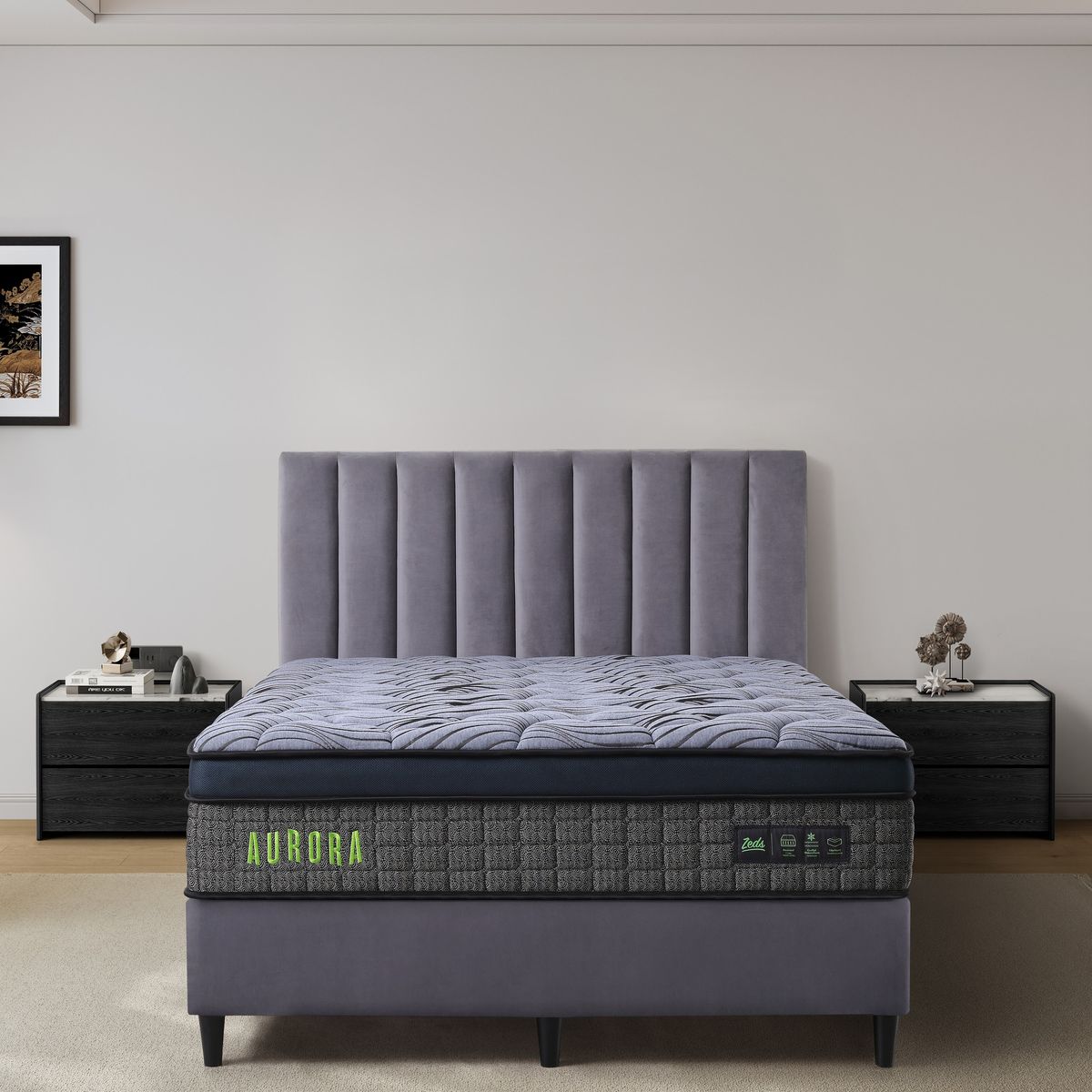
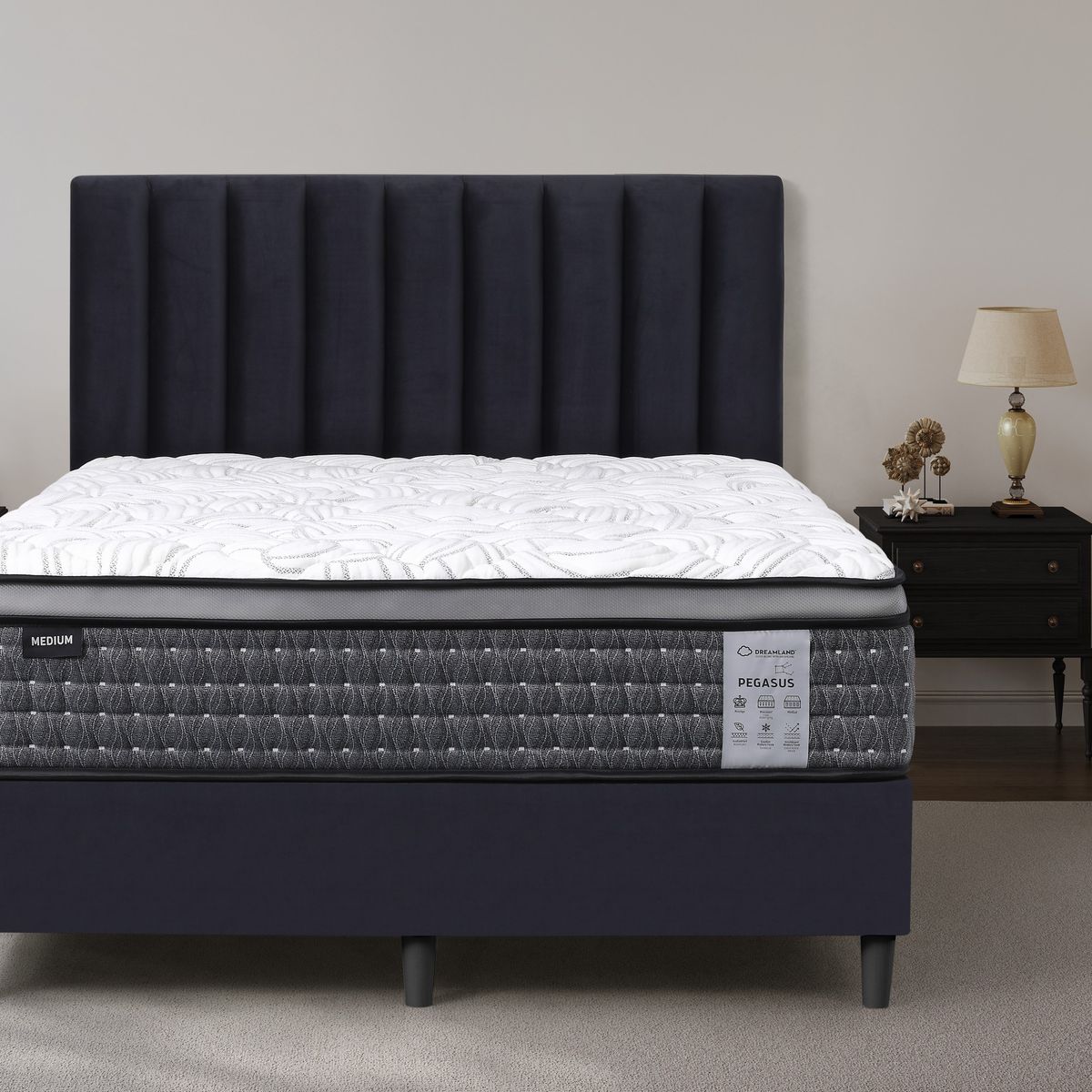
Browse the full mattress range or find your nearest stockist and try them in store.
Good to know
- How much sleep does an athlete need?
- At least seven hours for any adult, and ideally eight to ten when training hard. Spending more time in bed is a legitimate recovery strategy.
- Is more sleep really worth it for performance?
- The evidence points that way: more sleep improved sprint speed and accuracy in elite athletes, and short sleep raises injury risk. Treat it as a direction, not a guaranteed number.
- When should I stop drinking coffee?
- At least six hours before bed; caffeine’s half life is about five hours, so an afternoon coffee is still working at bedtime.
- Should I take melatonin for travel?
- It can help some people, but it is a medicine, so ask your pharmacist or GP about whether and how to use it rather than guessing.
References
- [1] The effects of sleep extension on the athletic performance of collegiate basketball players, SLEEP (Journal of the American Academy of Sleep Medicine), 2011 Stanford sleep extension: ~4 percent faster sprint, ~9 percent better accuracy in elite basketball players.
- [2] The Cumulative Cost of Additional Wakefulness: dose-response effects on neurobehavioral functions and sleep physiology from chronic sleep restriction, SLEEP, 2003 Six hours a night for two weeks produced deficits comparable to 1 to 2 nights of total sleep deprivation; participants underestimated it.
- [3] Chronic Lack of Sleep is Associated With Increased Sports Injuries in Adolescent Athletes, Journal of Pediatric Orthopaedics, 2014 Teen athletes averaging under 8 hours were about 1.7x more likely to be injured (an association).
- [4] Recommended Amount of Sleep for a Healthy Adult: a Joint Consensus Statement of the AASM and Sleep Research Society, Journal of Clinical Sleep Medicine (AASM / Sleep Research Society), 2015 AASM and Sleep Research Society: adults should sleep at least seven hours; six or fewer is inadequate.
- [5] Stages of Sleep, Sleep Foundation Deep sleep is restorative and front-loaded; REM supports motor learning; a cool room supports sleep.
- [6] Caffeine and sleep (caffeine half-life), Sleep Foundation Caffeine half life is about five hours, so an afternoon dose is still active at bedtime.
Researched and drafted with AI assistance, reviewed and fact checked by a named human.