
Readiness scores, decoded: what your recovery number really means
A readiness or recovery score is a useful personal signal of how recovered you are, not a verdict on your day or a guaranteed predictor of performance: numbers like 85 are made by your device, not by science, so use your own trend to decide when to push and when to ease off, rather than chasing a magic threshold.
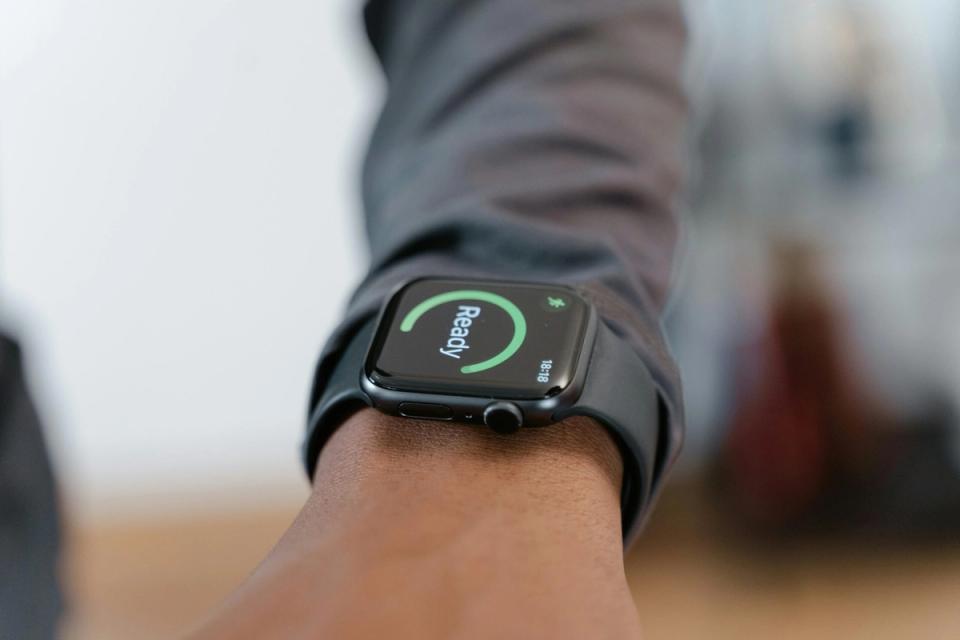
Your body keeps receipts. The late emails, the extra espresso, Tuesday’s heavy squats, the wine to wind down. You can wake up feeling fine and still be carrying yesterday’s load, and that is the real promise of a recovery score: a rough read on your nervous system before you decide how hard to train. The trap is treating the number as a grade. Here is what actually goes into it, what the evidence really says, and how to use it without letting it run your mood.
What a readiness score actually is
A readiness or recovery score is a proprietary blend of a few signals, mostly your heart rate variability, resting heart rate, sleep, and body temperature, rolled into one number by your device’s own formula. That is the catch worth knowing up front: the formula, and the threshold, are made by Oura or Whoop or Garmin, not by a research consensus, and they each calculate it differently. So a score is a helpful nudge about your own state over time, not a precise or comparable measurement. Treat it as a trend for you, not a mark out of 100.
The signals underneath the number
Heart rate variability (HRV) is the headline. Counterintuitively, you want your heart to vary its timing beat to beat at rest; more variability generally reflects a recovered, responsive nervous system, and a drop often means your body is still handling load, stress, or the start of illness[1].
- Resting heart rate is the steady companion: a rate sitting near or below your own baseline suggests you are recovered, while waking several beats high can be an early flag for fatigue or a bug.
- Sleep is the foundation; a high score rarely follows a broken night.
- Body temperature: a stable overnight temperature is a good sign, while a rise can mean your body is fighting something or processing a late meal or alcohol.
The honest point is that these are personal trends. Your numbers only mean something against your own baseline, not against a friend’s or a fixed target.
What the evidence really says (and does not)
Recovery matters, that part is solid: a 2025 research review pooling many studies found that fatigue measurably reduces basketball shooting accuracy, so turning up tired genuinely costs you on the court[2]. And training that adjusts to your HRV (training harder when recovered, easing off when not) has shown a small, positive effect on endurance fitness in several studies, especially for amateur athletes[1]. But the same reviews are honest about the limits: the results are mixed, and crucially, the proprietary "readiness scores" themselves have not been validated as predictors of performance. So the direction is right, recovery helps, but a specific number like 85 is not a scientific PR threshold. It is a brand’s dashboard, useful as a signal, oversold as a verdict.
How to actually use your score
Use it to autoregulate, adjusting the day’s training to how recovered you are, against your own baseline rather than a fixed cutoff. A simple framework:
- Recovered (well above your baseline): a good day to push, attempt a heavy lift, do your hardest intervals, or tackle the most technical work. Your body is more likely to handle and adapt to it.
- Around baseline (most days): train as planned, leaning on technique and steady volume rather than maxing out.
- Below your baseline: ease the intensity, not necessarily the day. Swap the max effort for active recovery, easy aerobic work, or technique, and put sleep and food first. If you are actually unwell, rest.
The habits that move the number
You are not helpless against the algorithm; the basics shift it more than any gadget.
- Time your evening. Finish your last big meal a few hours before bed, ease off alcohol (even one drink can lower your HRV and fragment your sleep), and dim the screens in the last hour[1].
- Keep the room cool. Around 18 degrees suits most people; if you carry a lot of muscle you run hot, so breathable bedding and a supportive, comfortable bed help you stay settled[3].
- Anchor your clock. Get daylight into your eyes soon after waking, and keep your bed and wake times reasonably consistent.
The single biggest input to any recovery score is the sleep underneath it, and that is built in your bedroom: cool, dark, quiet, and a bed that lets your body switch off.
Dreamland designs the Precision7 pocket spring models, including the flagship Pegasus, to help active bodies settle and recover.
Mattresses built to support active bodies
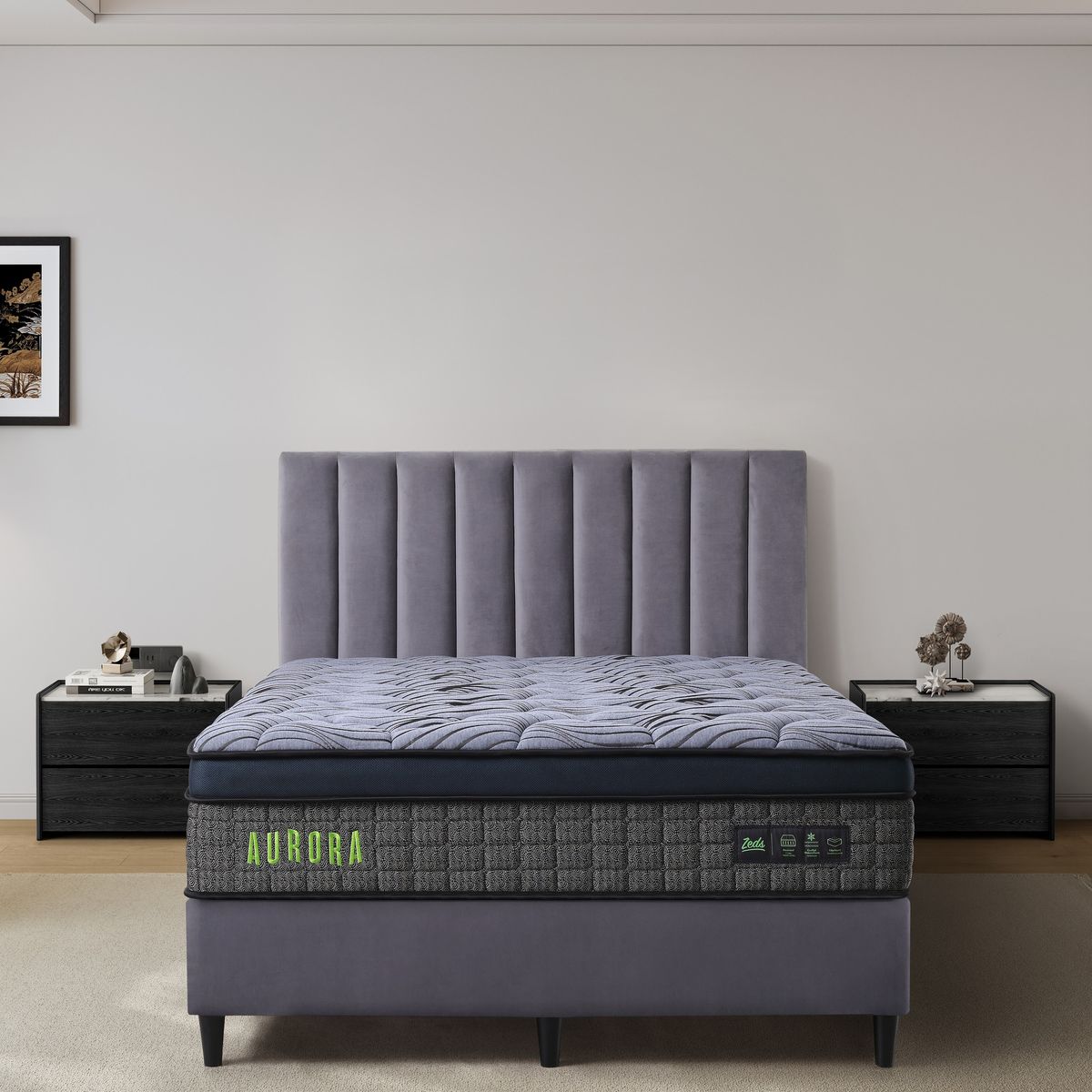
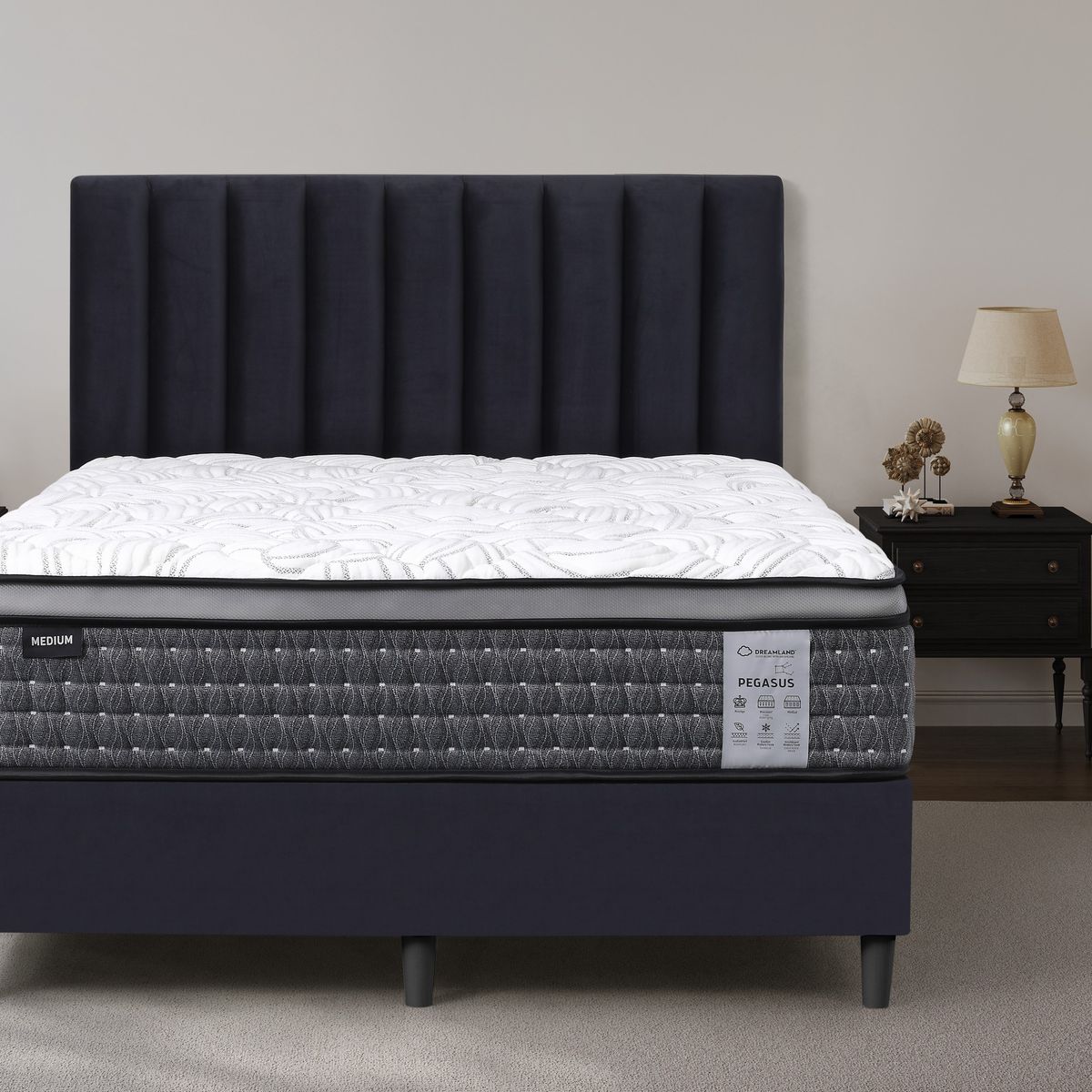
Browse the full mattress range or find your nearest stockist and try them in store.
For the wider setup, see our guides on what counts as a good night’s sleep, on screens and sleep, and on the right bedroom temperature, and browse the range or find your nearest stockist.
Good to know
- Is 85 a magic readiness number?
- No. The scale and the threshold are set by your device, not by science, and each brand calculates differently. Use your own trend, not a fixed cutoff.
- Can I trust my recovery score?
- As a personal signal, yes; as a precise or comparable measurement, no. The scores are proprietary and have not been validated as performance predictors. Watch the trend over days, not the single number.
- What actually improves recovery?
- The basics: consistent, sufficient sleep, easing off alcohol, sensible meal timing, daylight in the morning, and a cool, comfortable bedroom.
- Should I skip training on a low score?
- Usually adjust rather than skip: lower the intensity, focus on technique or easy aerobic work, and prioritise sleep and food. Rest fully if you are unwell.
References
- [1] HRV-guided training and heart rate variability as a recovery marker (systematic review), Peer-reviewed systematic review (e.g. cardiac-vagal HRV-guided training literature) HRV reflects autonomic recovery; HRV-guided training has a small, mixed positive effect; proprietary readiness scores are not validated; alcohol and poor sleep lower HRV.
- [2] Changes in shooting accuracy among basketball players under fatigue: a systematic review and meta-analysis, Frontiers in Physiology, 2025 Frontiers 2025 meta-analysis: fatigue measurably reduces basketball shooting accuracy.
- [3] Stages of Sleep, Sleep Foundation Consistent quality sleep, easing off alcohol, morning daylight and a cool room support recovery.
Researched and drafted with AI assistance, reviewed and fact checked by a named human.