
Sleep debt: how to spot it and recover in real life
Sleep debt is the running gap between the sleep you need and the sleep you get, and it adds up: a few short nights leave you foggy and flat, you cannot fully repay it with one weekend lie in, and the only real fix is getting back to consistent, sufficient sleep.
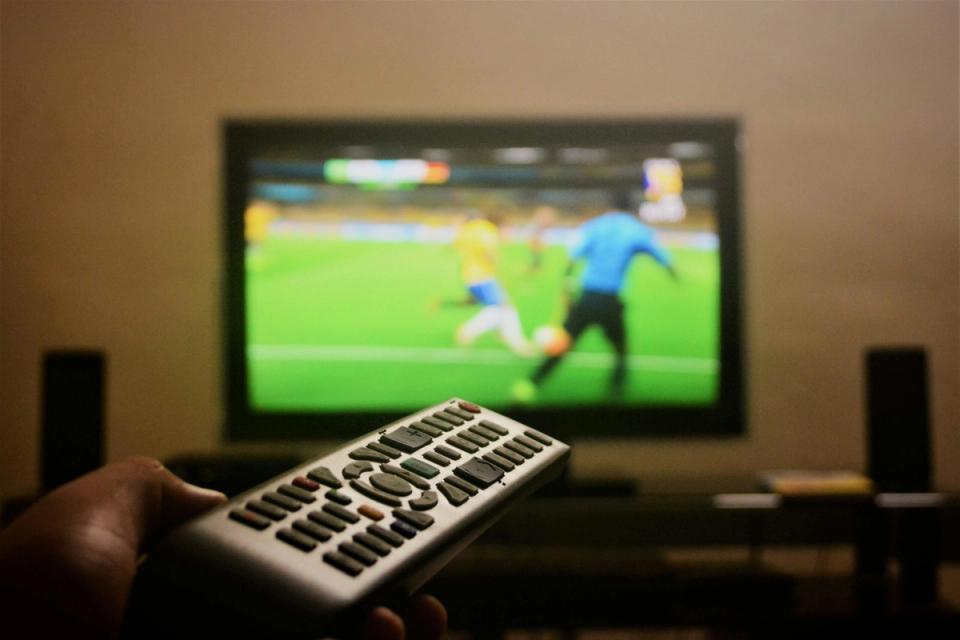
You stay up for the match that goes to extra time, the alarm comes too soon, and you tell yourself you will catch up later in the week. A few nights like that and you feel flat, foggy, and a step slow. Sleep debt builds quietly, and most people do not notice the weight of it until it starts to show up in their mood, focus and recovery. Here is how to spot it, why it matters, and how to claw it back in a real life that will not always cooperate.
What sleep debt actually is
Sleep debt is the accumulated gap between the sleep your body needs (about 7 to 9 hours for most adults) and what you actually get. It rarely comes from one sleepless night; it builds from a run of short or broken ones. The National Heart, Lung, and Blood Institute uses a simple example: lose two hours a night and by the end of a week you are carrying a 14 hour deficit, nearly two full nights of missing sleep[1]. You can push through it on caffeine and willpower and still not be recovered, because your body keeps its own accounting of the rest it is owed.
Where it comes from in real life
Most sleep debt is ordinary life, not poor character. Work that spills into the evening, the one more episode that becomes three, an early gym alarm without an earlier bedtime, and, very Kiwi, setting an alarm for an overseas football final or a rugby tour kickoff. Some of it is genuinely unavoidable: long haul travel and jet lag, shift work that runs against your body clock, a demanding stretch at work, or a newborn who has never heard of a sleep schedule. Naming the cause matters, because some of it you can adjust and some of it you simply recover from afterwards.
The signs you are carrying it
The clearest sign is that tiredness starts to feel normal. Watch for needing more caffeine than usual just to feel awake, a hard time waking to the alarm, a heavy, foggy morning, slower thinking and patchy memory, a shorter fuse, and a strong urge to sleep heavily at the weekend, which is your body trying to reclaim what it lost.
Why it matters
This is not just feeling drowsy in a meeting. Tired brains make worse, riskier decisions, and the safety cost is real: missing just one to two hours of sleep nearly doubles your crash risk behind the wheel, and driving on under five hours is comparable to driving over the alcohol limit[2]. Your mood takes a hit too, and over the long run, consistently short sleep is linked to a higher risk of depression and anxiety, high blood pressure, heart disease, obesity and type 2 diabetes[3]. For anyone training, short sleep blunts physical recovery, so the gains stall.
~2x
How to actually recover
There is no magic fix; the cure is more sleep, consistently, over time.
- Repay it with consistency, not a binge. One giant Sunday sleep in helps a little but does not erase a week, and research shows weekend catch up does not fully reverse the effects of weekday loss[3]. Add steady blocks back to your nights instead.
- Go to bed earlier, rather than waking later. Shifting bedtime 30 to 60 minutes earlier and protecting a consistent window teaches your body when to wind down. Cut the late screens and heavy meals that delay sleep.
- Nap with discipline. A 20 to 30 minute nap is a great support for a hard patch or travel, but it is a top up, not a replacement for a solid night.
- Plan around the disruption you can see coming. Bank a little extra sleep before an overnight flight or an early final, avoid stacking late nights, and recover deliberately afterwards (our jet lag guide covers the travel version).
When tiredness is more than a few missing hours
If you regularly give yourself enough time in bed and still wake unrefreshed, pay attention. Sleep that is broken by loud snoring, gasping, or persistent insomnia needs proper investigation, and ongoing low mood or anxiety does too. In those cases there may be more going on than a simple deficit, and it is worth talking to your GP, who can help or refer you for a sleep assessment.
Make the hours you do get count
You cannot always add hours, but you can make the ones you get more restorative: a cool, dark, quiet room and a supportive, comfortable bed mean fewer broken nights and less debt in the first place. For the setup, see our guides on what counts as a good night’s sleep and on the right bedroom temperature, and browse the Dreamland mattress range or find your nearest stockist.
Good to know
- Can you catch up on sleep at the weekend?
- Only partly. A weekend lie in helps short term but does not fully repay a week of short nights, and severe sleep loss can take days to recover. Consistency beats bingeing.
- How do I know if I have sleep debt?
- Common signs are needing more caffeine than usual, a foggy heavy morning, irritability, slower thinking, and craving heavy weekend sleep. If tiredness has come to feel normal, that is the flag.
- Is being tired actually dangerous?
- It can be. Missing one to two hours nearly doubles your driving crash risk, and under five hours is comparable to driving drunk. Do not drive when seriously short on sleep.
- When should I see a doctor about tiredness?
- If you allow enough time in bed but still wake unrefreshed, or your sleep is broken by loud snoring or gasping, or low mood persists, see your GP.
References
- [1] Sleep Deprivation and Deficiency (How Sleep Works), National Heart, Lung, and Blood Institute (NHLBI) NHLBI: lose two hours a night and you carry a 14 hour deficit over a week; adults need about 7 to 9 hours.
- [2] Acute Sleep Deprivation and Risk of Motor Vehicle Crash Involvement, AAA Foundation for Traffic Safety, 2016 Missing 1 to 2 hours nearly doubles crash risk; under 5 hours is comparable to driving over the alcohol limit.
- [3] Sleep and chronic disease; weekend catch-up sleep, US Centers for Disease Control and Prevention (CDC) Short sleep is linked to depression, heart disease, high blood pressure, obesity and type 2 diabetes; weekend catch-up does not fully reverse weekday loss.
Researched and drafted with AI assistance, reviewed and fact checked by a named human.