
Is late night gaming wrecking your sleep? An honest look
Late night competitive gaming costs you sleep in two honest ways: it leaves you wired so you take longer to drop off, and it pushes your bedtime later, so the fix is a gaming curfew about 60 to 90 minutes before bed plus a real wind down, not giving up the game.
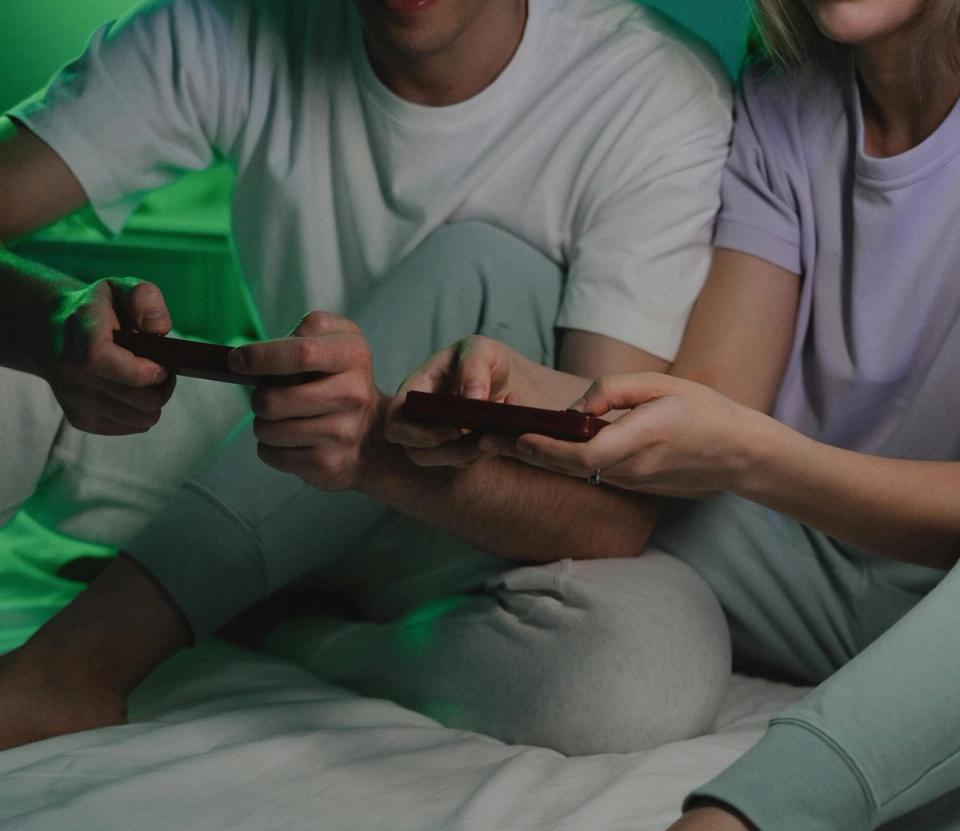
You land the win at 11:45 pm, heart still thumping, and crawl into bed sure you will be out in seconds. Two hours later you are watching the ceiling. If that sounds familiar, it is not a character flaw, it is physiology: a tense, fast game leaves your body switched on, and "just one more match" quietly steals the hours you meant to sleep. Here is what the research actually says, and how to keep gaming without wrecking your rest.
What a late, intense match does to your body
A competitive match keeps your body in an alert, switched on state, and that arousal is the main reason sleep gets harder. A systematic review of adult gamers links gaming with a longer time to fall asleep, shorter sleep, and poorer sleep quality, and points to physiological arousal, a faster heart rate and breathing, as the likely mechanism[1]. The effect is real but not uniform: some studies find only a modest delay, and the impact grows with how intense, how late, and how long you play. A relaxed puzzle game is not a ranked shooter.
The bigger problem is the clock, not just the light
You have probably heard that screen "blue light" suppresses melatonin, and it does, light at night, blue especially, holds melatonin down and can nudge your body clock later[2]. But for adults that effect is easy to overstate. Two things matter more: arousal, covered above, and plain time displacement, the way "one more game" pushes your bedtime back and simply deletes sleep. In a study of adult gamers, every extra hour of daily gaming delayed bedtime by about seven minutes, and playing more than an hour a day was linked to nearly three times the odds of poor sleep[4].
2.75x
Why this matters if you train
Lost sleep is not just grogginess; it shows up in recovery and injury risk. In a well known study of teenage athletes, those who averaged under eight hours of sleep were about 1.7 times more likely to be injured than those who slept more[5]. Deep sleep is when much of your physical repair happens and REM supports learning and motor skills, so the nights you trade for late gaming are nights your body does not fully recover.
Keep gaming, protect your sleep
You do not have to quit. You need a few boundaries.
- Set a gaming curfew. Aim to finish your last competitive match 60 to 90 minutes before bed, so your heart rate and arousal can come down. Even a 30 minute buffer helps.
- Save the intense stuff for earlier. If you must play near bed, pick something low key and single player over a ranked PvP match. Intensity matters more than the clock alone.
- Dim the room and the screen. Lower the lights as the evening goes on and warm or dim the display. It is a small help, not a cure (blue light blocking glasses, for the record, have not held up well in the research[3]), so lean on the curfew and content choices more than the gadgets.
- Keep the space cool. Around 18 degrees suits sleep, and it is the same target as the rest of the bedroom (see our winter guide).
- Swap the post game scroll for a wind down. A warm shower, a few minutes of slow breathing (in for four, hold for seven, out for eight), or a few pages of a book tells your brain the day is done.
Set the room up to help
When you do switch off, a cool, dark, quiet room and a supportive mattress make it far easier to drop off fast. For the rest of the setup, see our guides on screens and sleep, on what counts as a good night’s sleep, and on the right winter bedroom temperature, and browse the range or find your nearest stockist.
Good to know
- Does gaming before bed really affect sleep?
- Yes, mainly by keeping you aroused so you take longer to fall asleep, and by pushing your bedtime later. The effect is bigger with intense, competitive games played late and long.
- How long before bed should I stop gaming?
- Aim for 60 to 90 minutes, so your heart rate and arousal settle. Even 30 minutes of wind down helps.
- Do blue light glasses fix it?
- Not reliably; the evidence is inconclusive. A gaming curfew and calmer choices before bed do far more.
- Is casual gaming as bad as competitive PvP?
- No. Slower, low stakes games are far less arousing than ranked, fast paced matches, so they disturb sleep less.
References
- [1] Sleep in Habitual Adult Video Gamers: A Systematic Review, Frontiers in Neuroscience, 2021 Adult gamer systematic review: longer sleep onset, shorter sleep, poorer quality; physiological arousal the proposed mechanism.
- [2] Blue light has a dark side, Harvard Health Publishing Light at night, blue especially, suppresses melatonin and can delay the body clock; the adult impact is easy to overstate.
- [3] Blue-light filtering spectacle lenses for visual performance, sleep, and macular health, Cochrane Database of Systematic Reviews, 2023 Cochrane 2023: blue light blocking glasses are inconclusive for improving sleep.
- [4] Sleep quality is negatively related to video gaming volume in adults, Journal of Sleep Research, 2015 Each extra hour of daily gaming delayed bedtime ~6.9 minutes; over an hour a day linked to ~2.75x the odds of poor sleep.
- [5] Chronic Lack of Sleep is Associated With Increased Sports Injuries in Adolescent Athletes, Journal of Pediatric Orthopaedics, 2014 Adolescent athletes averaging under 8 hours sleep were about 1.7x more likely to be injured (an association).
Researched and drafted with AI assistance, reviewed and fact checked by a named human.