
Can more sleep make you faster? What a Stanford study found
In a landmark Stanford study, basketball players who spent several weeks getting more sleep ran measurably faster and shot more accurately. They were elite young athletes, so the exact numbers are not a promise for everyone, but the direction is clear and well supported: more quality sleep helps your body recover and perform.
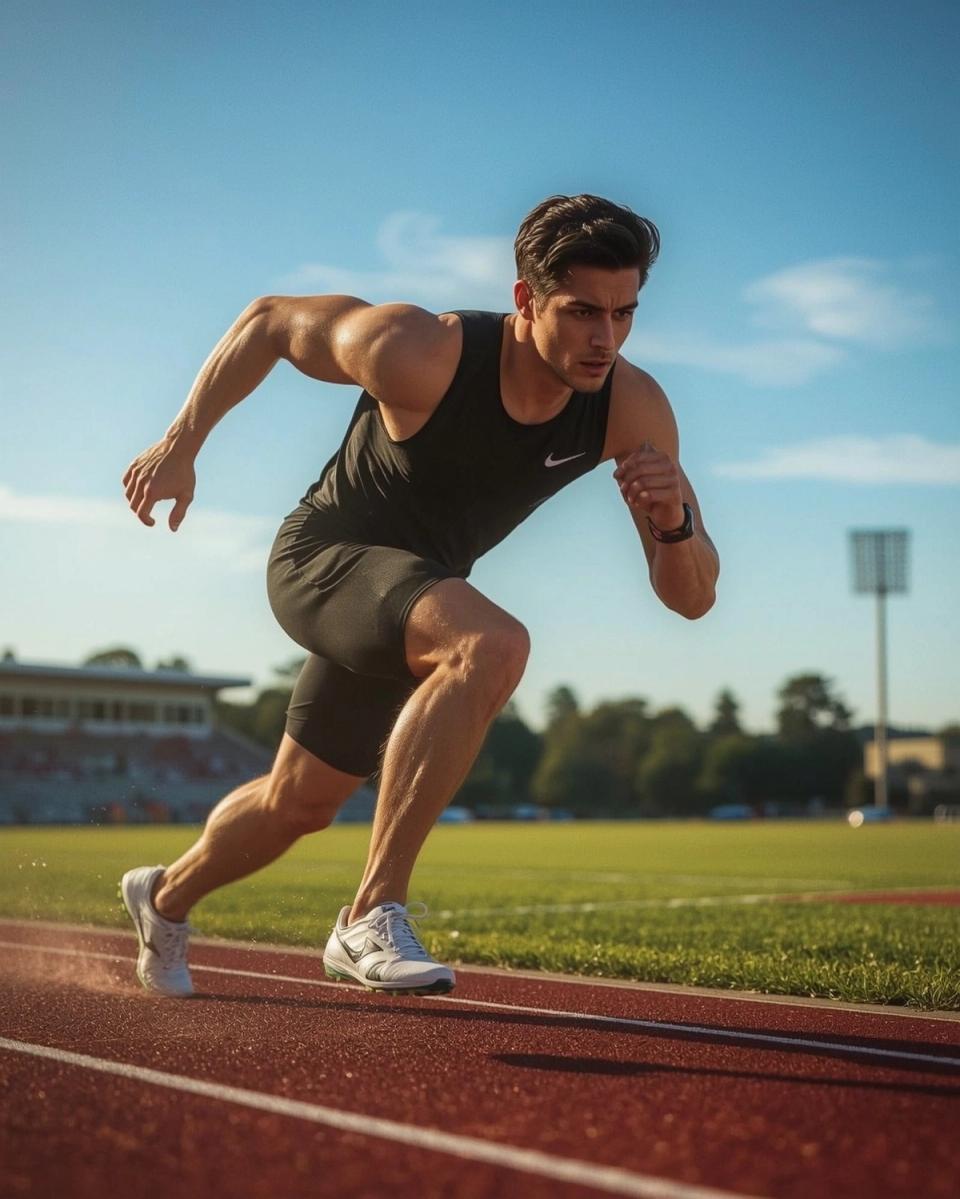
You buy the carbon plated shoes, track your macros, and spend on recovery gadgets. One of the most effective tools is free, legal, and needs no prescription: more sleep. Coaches used to say "get a good night’s rest" and leave it there. Researchers have since put real numbers behind it. Here is what the science actually shows, and how to use it without turning your life upside down.
What the Stanford study found
Sleep researcher Cheri Mah and colleagues at Stanford had 11 men’s varsity basketball players extend their sleep for 5 to 7 weeks, aiming for 10 hours in bed (about 111 extra minutes of sleep a night). Their 282 foot sprint time improved from 16.2 to 15.5 seconds, about 4 percent faster, and their free throw and three point accuracy each rose about 9 percent, with quicker reactions and better mood[1]. The athletes did not train harder in this period; they slept more.
Why more sleep can help you move better
You might wonder how lying still longer makes you faster. Sleep is not idle time; it is when your body does much of its repair and your nervous system resets. Two parts matter for speed and power. Deep sleep, mostly in the first half of the night, is when the body does a lot of its physical recovery[2]. And a well rested nervous system sends crisper signals from brain to muscle, which fits the faster reaction times the Stanford athletes showed[1]. The practical version: fatigue suppresses what your body can do, and more sleep removes some of that brake.
Time in bed is not the same as sleep
This distinction matters if you wear a Garmin, WHOOP, or Oura. In the Stanford study the goal was 10 hours in bed, which produced about 8.5 hours of actual sleep[1]. You do not fall asleep the instant your head hits the pillow, and you wake briefly through the night without remembering. So if you set an alarm for 8 hours after lights out, you may get 7 or less. To get the benefit of 8 to 9 hours of sleep, budget 9 to 10 hours in bed. That also takes the pressure off "trying" to sleep: you simply commit to a longer window, lights out.
Practical ways to add up to 90 minutes
You do not need to be perfect. Even 30 to 60 minutes more can help.
- Bank sleep before events: in the week or two before a competition, prioritise extra sleep so you have a buffer against a poor night before the day itself.
- Wind down without screens: evening light delays the melatonin that signals sleep, so finish dinner a few hours before bed, ease off work, and put screens away in the last hour, lights low[2].
- Set up the room: cool (around 18 degrees suits most people), dark (blackout curtains), and a supportive bed so your muscles can switch off rather than brace all night[2].
- Work with your body clock: if you are tired at 9:30, go to bed and catch that early wave rather than pushing on to 11.
A supportive surface is part of the picture: if a bed sags or is too soft, your muscles keep working to hold your spine, which gets in the way of rest.
Dreamland designs mattresses to support active bodies, including the Precision7 pocket spring models and the flagship Pegasus.
Mattresses built to support active bodies
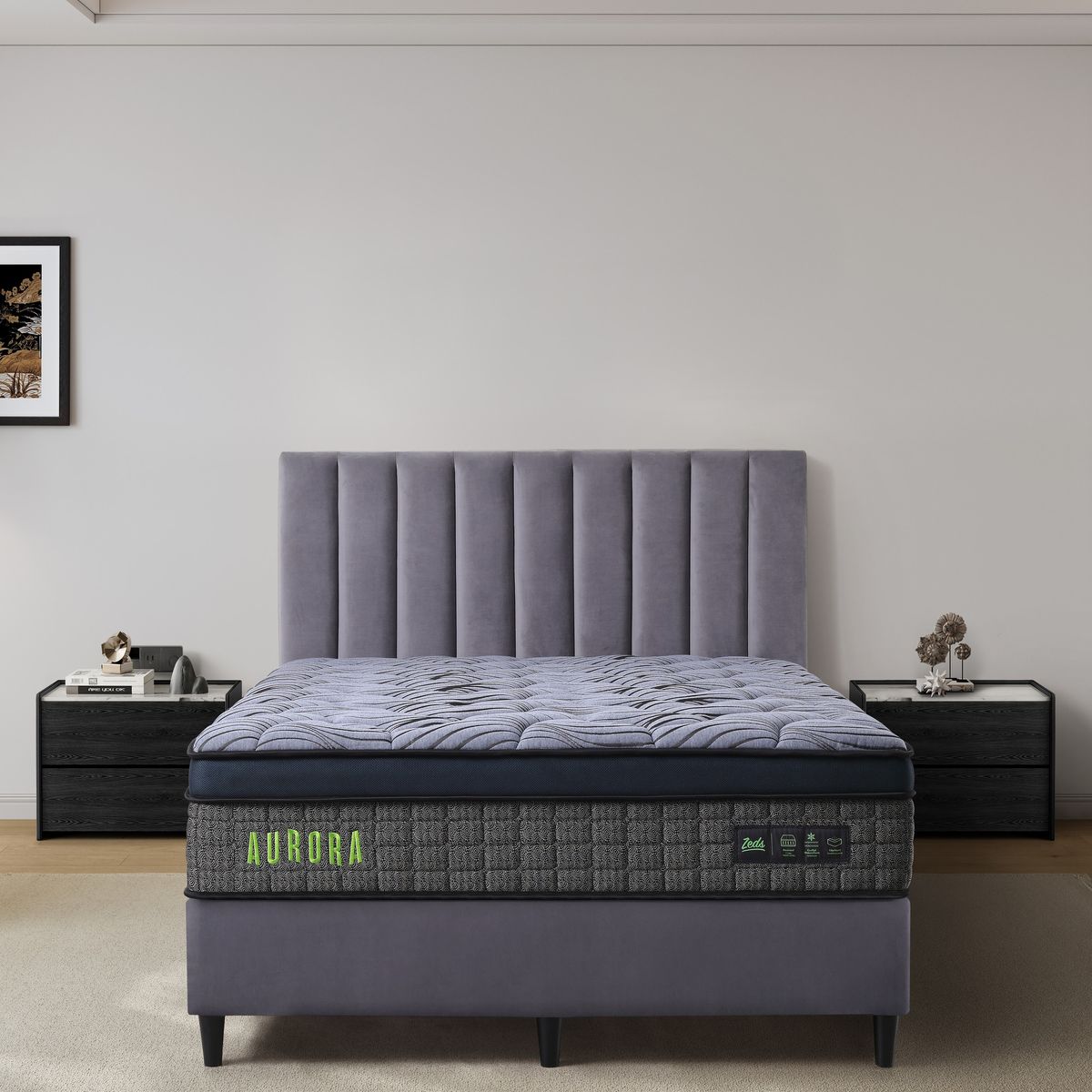
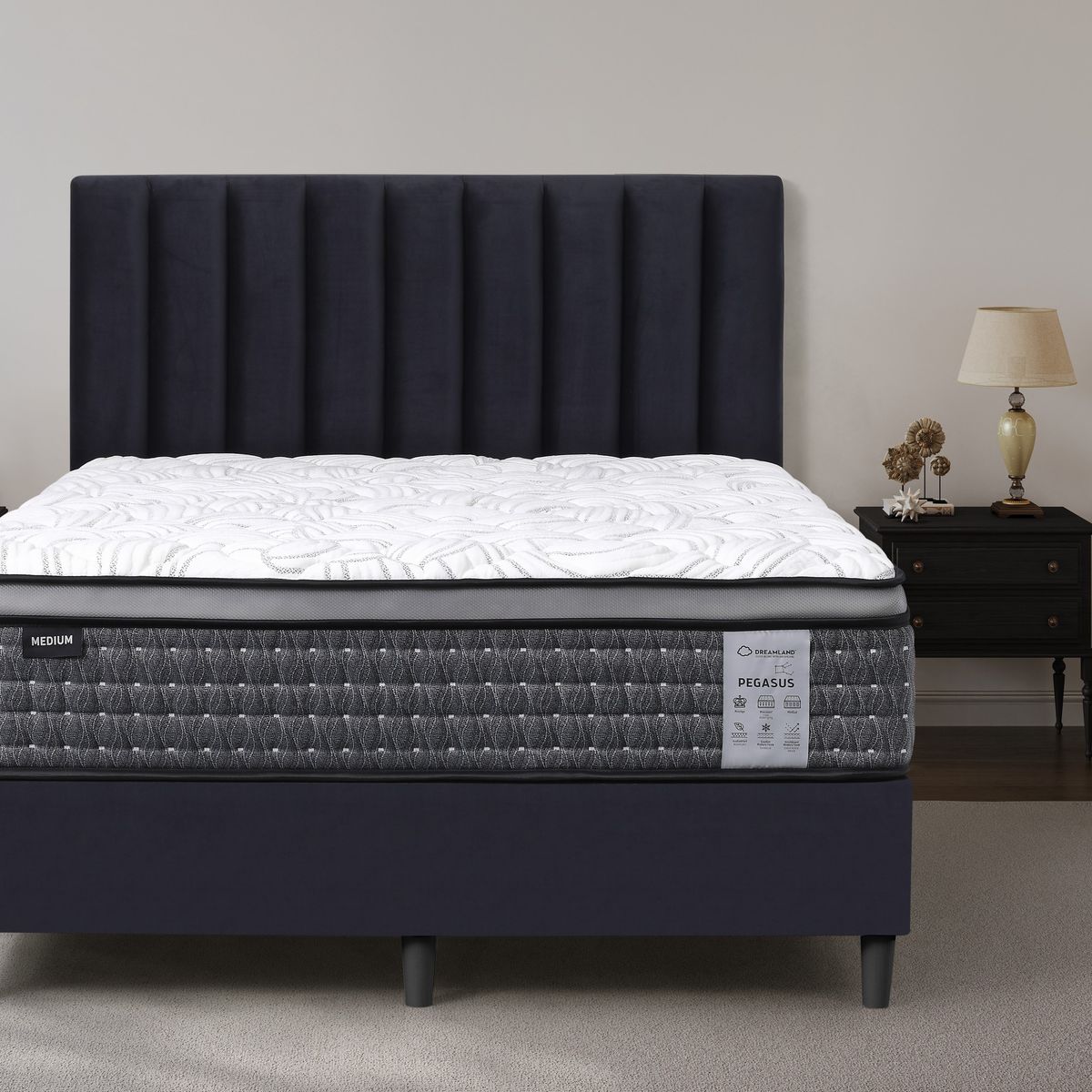
Browse the full mattress range or find your nearest stockist and try them in store.
For the rest of the setup, see our guides on what counts as a good night’s sleep and on the right bedroom temperature. A good bed supports good sleep, which helps recovery; it does not, on its own, deliver the study’s numbers.
Good to know
- Does more sleep really make you faster?
- In a Stanford study of elite basketball players, several weeks of extra sleep improved sprint time by about 4 percent and shooting accuracy by about 9 percent. It was a small group of elite athletes, so treat it as a direction rather than a guaranteed number, but the science behind sleep and recovery is well supported.
- How much sleep should an athlete aim for?
- Budget 9 to 10 hours in bed to get roughly 8 to 9 hours of actual sleep, and keep your schedule consistent.
- Will I personally get 4 percent faster if I sleep more?
- Not necessarily. That figure came from elite young athletes clearing a real sleep debt. The honest promise is direction, not a number: more quality sleep helps most people recover and perform closer to their potential.
References
- [1] The effects of sleep extension on the athletic performance of collegiate basketball players, SLEEP (Journal of the American Academy of Sleep Medicine), 2011 11 male players, ~111 extra minutes; 282 foot sprint 16.2 to 15.5 s (~4% faster); free throw and three point each ~9 percent; faster reactions, better mood.
- [2] Stages of Sleep, Sleep Foundation Deep sleep (first half of the night) drives much of physical recovery; a cool, dark room and an evening wind down support sleep.
Researched and drafted with AI assistance, reviewed and fact checked by a named human.