
How to set up a short term rental bedroom that sleeps more guests and earns better reviews (an NZ host’s guide)
You sleep more short stay guests and earn better reviews by designing each bedroom for usable capacity rather than bed count: flexible furniture that flexes when you need it, a genuinely comfortable and well supported bed, and a calm room you can photograph honestly.
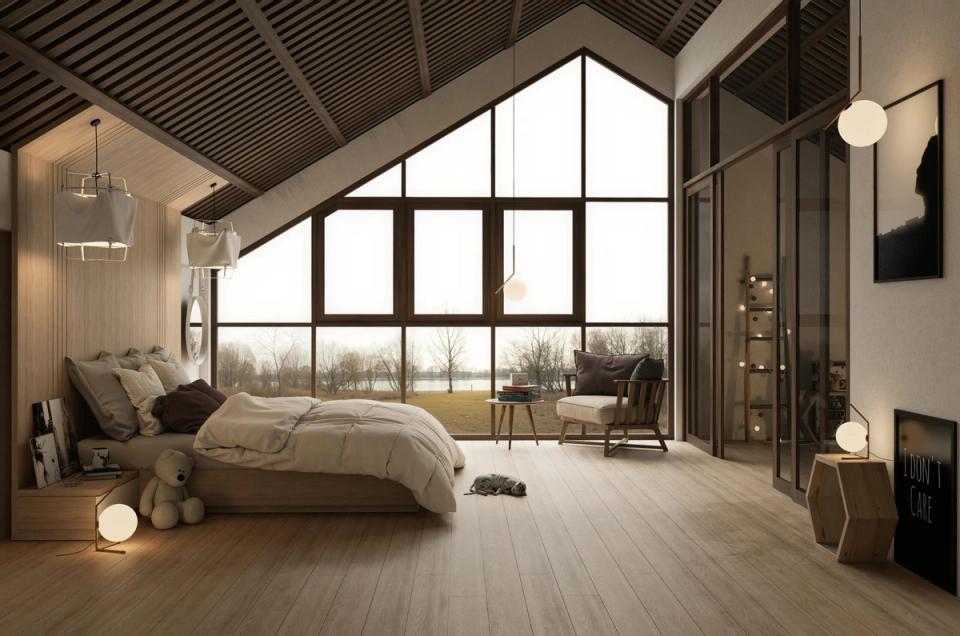
Every host hits the same wall. The bookings are steady, the reviews are good, and then you notice the bigger groups, the families, the extended whanau travelling together, sliding past your listing because it only sleeps four. The instinct is to cram in another bed. It almost always backfires: a room packed with beds photographs badly, feels tight on arrival, and quietly tells a guest you counted heads instead of thinking about them. The better question is not how many beds can I fit, it is how many people can I sleep well. Here is how to do that, and why it pays.
Why the bedroom quietly decides your bookings
A guest books on the photos and the view, but they review on the sleep. In a peer reviewed study of hotel guests, sleep satisfaction was one of the strongest predictors of overall satisfaction, and the biggest causes of poor sleep were uncomfortable bed linen and pillows, a noisy air conditioner, and outside noise[1]. A beautiful living room wins the click; the bed wins the five star review.
The New Zealand short stay market makes this worth getting right. Domestic guests make up roughly two thirds of Airbnb activity here, and they travel as exactly the mixed groups a flexible bedroom serves: couples, families with young children, friends sharing, grandparents along for the trip[2]. The hosts who design for those combinations, rather than for a single number on the listing, are the ones who stay booked.
More beds is not more capacity
There is a real difference between how many beds a room holds and how many guests it can genuinely host, and confusing the two costs you bookings. Three single beds wedged side by side technically sleeps three, but it reads as a dormitory: no floor space, nowhere to put a bag, no sense of retreat, so people simply do not choose it. A well planned room with a comfortable double and a tucked away trundle sleeps the same number on paper, yet it feels generous and suits a couple, two friends, or a parent with a child.
That second number is your usable capacity: the guests a room sleeps comfortably while still feeling like somewhere people want to be. Adding beds raises your theoretical maximum. Improving usable capacity raises your bookings.
Treat each bedroom as an asset that earns its keep
The most valuable room is not the one with the most beds, it is the one that converts the widest range of guest combinations into confirmed nights. A room that only suits two adults serves one kind of booking. A room that flexes between a couple, two friends, or a parent and child can be booked across far more of the year. That is room yield: designing each space to earn across the broadest set of bookings rather than chasing one headline number.
This matters most for the property types that define New Zealand short stays, the beach houses, lakeside cottages and family holiday homes, which live or die on handling mixed groups gracefully.
Design your secondary bedrooms to flex
The main bedroom usually looks after itself: a quality queen, a proper headboard, good linen, done. The opportunity sits in the secondary bedrooms, because those decide whether the property can flex at all. A few principles keep them versatile without feeling crowded:
- Plan for the people, not the beds. Start from the guest combinations you actually want to attract, then choose furniture that serves several of them at once.
- Protect the floor. Empty floor space reads as generosity in photos and feels like calm in person; a room that breathes always looks bigger than one packed to the walls.
- Keep one clear identity per room. A room can be flexible without looking confused: pick a primary purpose, then layer quiet flexibility underneath it.
Flexible furniture that adds capacity, not clutter
Certain pieces earn their place because they add sleeping options without adding visual weight.
Trundle beds and bunks are the quiet achievers of short stay hosting: a trundle hides under a primary bed by day and rolls out when an extra sleeper arrives, so a secondary room flexes between one guest and two with nothing on show. Bunk beds suit family properties that regularly host children, turning a modest room into comfortable sleeping for several kids without sprawling across the floor.
In New Zealand, bunk beds should meet the voluntary safety standard (AS/NZS 4220): guardrails on all four sides of the top bunk, no gaps that could trap a head or limb, and clear age labelling, with the top bunk generally not suitable for younger children[3]. Dreamland’s kids beds and bunks are built to it.
Split or flexible primary beds, which work as either two singles or one larger bed, let one room serve couples and friends with equal ease, and that single decision meaningfully widens the guests a room attracts.
Get the foundations right, because guests feel them
A clever layout still needs a bed that holds up to constant use. The practical specification for a short stay room:
- Start with a stable base. A great mattress is wasted on a base that flexes or creaks when a guest turns over. Kitset and mattress in a box options are ideal where access is tight, easy to carry up a narrow stair and assemble without losing stability.
- Aim for the middle on firmness. You cannot predict every guest’s preference, so a medium feel with zoned pocket spring support suits the widest range of bodies while keeping the spine aligned.
- Anchor the room visually. A bed without a headboard looks unfinished in photos; a good headboard reads as a hotel suite and gives guests somewhere comfortable to sit up and read.
- Control light and noise. The hotel research is blunt that outside noise and bright light wreck sleep[1], so blackout curtains and quiet heating earn their place.
- Make it easy to maintain. A washable mattress protector guards the mattress against spills between bookings, and wipeable upholstery and timber save your cleaning team real time.
Keep the room calm, and photograph it honestly
A room can hold more sleeping options and still feel spacious if the extra capacity stays invisible until it is needed. Give luggage and spare linen somewhere to live, and put a clear surface beside each sleeping space so every guest has a spot for a phone or a glass of water. Photograph the room in its calm, everyday state and explain the flexibility in the description. A guest who reads that a room sleeps two with a hidden trundle feels reassured; a guest who sees a room visibly crammed with beds feels crowded before they arrive.
The host’s checklist
- List the guest combinations you keep turning away, and start with your secondary bedrooms.
- Add capacity that hides: a trundle, a split bed, or a compliant bunk where children are part of the picture.
- Put a stable base and a medium, well supported mattress under every sleeping space.
- Finish the room with a headboard, blackout curtains, quiet heating, and a washable protector.
- Keep the floor clear, give every sleeper a bedside surface, and photograph the room calm.
Dreamland supplies a complete New Zealand bedroom range built for real homes and busy short stay rooms: kids beds and bunks made to the NZ safety standard, space saving trundlers, pocket spring mattresses including mattress in a box options for tight access, sturdy bases, and headboards. Browse the range or find your nearest stockist to see it in person.
Good to know
- How do I sleep more guests without overcrowding the room?
- Design for usable capacity, not bed count. Use furniture that flexes (a trundle, a split bed, a compliant bunk), protect the open floor, and plan each room around the guest combinations you want to attract.
- Are bunk beds a good idea for a holiday rental?
- Yes in family oriented properties, provided they meet the voluntary NZ safety standard (AS/NZS 4220) and the room has suitable height. They sleep several children without crowding the floor, but suit families more than couples or business travellers.
- Does the bed really affect my reviews?
- Strongly. In peer reviewed hotel research, sleep satisfaction was one of the best predictors of overall guest satisfaction, and poor bedding was a leading cause of bad sleep.
- What mattress should I choose for a rental?
- A medium feel with zoned pocket spring support suits the widest range of guests, on a stable base, with a washable protector.
References
- [1] Examining key hotel attributes for guest sleep and overall satisfaction, Tourism and Hospitality Research, 2021 Sleep satisfaction strongly predicts overall hotel guest satisfaction; poor bed linen and pillows, a noisy AC and outside noise drive poor sleep.
- [2] The economic impact of Airbnb in New Zealand, Oxford Economics (commissioned by Airbnb) Domestic guests make up about two thirds of Airbnb activity in New Zealand (platform commissioned data).
- [3] Sleep safety: cots, bunk beds and baby slings, Product Safety New Zealand Bunk beds sold in NZ should meet the voluntary safety standard (guardrails all four sides of the top bunk, no trap gaps, age labelling).
Researched and drafted with AI assistance, reviewed and fact checked by a named human.